






Mga Spotlight
Television Director, TV Show Director, Episode Director, Series Director, Television Episode Director, TV Program Director, TV Series Director, Television Show Director
Television Directors work closely with writers and producers to create the shows we love to watch on TV! Many shows use multiple directors so they can get the filming done on a compressed timeline. They may also use guest directors to inject some freshness and unique perspectives, without veering too far from the show’s general aesthetic. Sometimes a show may bring on a particular director who has expertise in things like car chases or other action scenes.
Unlike Film Directors, TV Directors may have less input into the stories. Instead, it's their job to capture the vision of the showrunner (aka the executive producer) while doing the legwork to plan and film shoots while overseeing the crew and cast. Different types of TV Directors include Factual TV Director, Entertainment TV Director, Drama TV Director, and Live TV Director, each of which has slightly differing duties and responsibilities. They may also film commercials, working with ad agencies to raise awareness of a brand’s product or service!
- Working in a fast-paced creative environment
- Capturing performances on camera for shows watched by potentially millions of people for years to come
- Helping keep cast and crew working together in harmony
Iskedyul ng Paggawa
- Television Directors may work full-time when assigned to direct a whole season of a series. In this situation, they may also have to put in a lot of overtime, depending on schedules. Not all TV Directors direct every episode of a show, and some don’t direct any series at all. If a director is brought in to do a single episode, or to film a commercial, play, or other relatively short production, they may have to supplement their income with other work.
Karaniwang mga Tungkulin
- Review TV show and commercial scripts
- Discuss ideas with the show’s writers, producers, and other stakeholders
- Collaborate with sound, lighting, camera crew, the director of photography, the first assistant director, unit directors, and others
- Ensure the showrunner’s creative vision is understood and captured
- Work with casting directors, if necessary. Most series have their core cast pinned down already
- Work with art departments, wardrobe, hair and makeup, special effects prosthetics, and many other teams to make sure everyone is working cohesively
- Approve set or stage designs, as applicable (some shows have several regular interior sets they use repeatedly, while others may not)
- Go over budgets and financial considerations before production starts. Work with the unit production manager, as needed
- Help actors and other talent understand desired outcomes for each take, without micromanaging performances
- Direct scenes in a variety of settings including interior sets, outdoor location shots, green screen studios, and many more
- Ensure filming stays on schedule and within budget
Mga Karagdagang Responsibilidad
- Talk with location scouts to find suitable places for filming particular scenes
- Go over anticipated technical or logistical difficulties such as inclement weather or physical hazards requiring stunt coordination
- Oversee post-production, when necessary (i.e., editing, and Foley sound effects, and adding visual effects such as CGI, compositing, and motion capture)
A Sample Day in the Life
- Arrive before 7am
- Answer last minute questions about what the team will shoot that day
- Conduct private, short rehearsal with actors for the first scene
- Show the scene to the crew
- Get marks on every position where the actors stand
- Talk to the DP about how the scene will be shot
- Watch a camera rehearsal with the stand-ins
- Conduct a camera rehearsal with the actors
- Shoot the scene
- Move onto the next scene
- Will shoot on average 5-7 scenes per day
Mga Malambot na Kasanayan
- Kakayahang magbigay-inspirasyon sa iba
- Aktibong pakikinig
- Ambition
- Kalmado sa ilalim ng presyon
- Kolaboratibo
- Mga kasanayan sa konseptwalisasyon
- Kumpiyansa
- Pagkamalikhain
- Pagiging Mapagdesisyon
- Nakatuon sa detalye
- Empatiya
- Kakayahang umangkop
- Intuitive
- Pamumuno
- Pasensya
- Pagtitiyaga
- Panghihikayat
- Mga kasanayan sa paglutas ng problema
- Malakas na kasanayan sa komunikasyon
- Pagtutulungan
- Biswal at nakasulat na pagkukuwento
Mga Kasanayang Teknikal
- Knowledge of video camera equipment and filmmaking software, including professional editing tools
- Teknikal na kaalaman sa pag-frame at pag-stage ng mga kuha
- Familiarity with sound and lighting technologies
- Pamilyar sa disenyo, mga special effect, at mga proseso ng post-production
- Pangkalahatang pag-unawa sa mga tungkulin, responsibilidad, at mga hamon ng lahat ng mahahalagang departamento at miyembro ng crew, kabilang ang disenyo ng produksyon, wardrobe, sining, makeup, tunog, mga special at visual effects, dekorasyon sa set, mga stunt coordinator, mga cast director, atbp.
- TV and motion picture studios
- Independent Productions
- Mga kompanya ng advertising at PR
- Mga industriya ng sining ng pagtatanghal
- Pagbobrodkast sa TV
- Video industries
Without Television Directors, we wouldn’t have anything to watch when we turn on our TVs! Although they don’t have the same level of creative responsibilities as Film Directors, they have complicated jobs that require a huge amount of leadership and multitasking. Luckily, the showrunners, producers, and writing teams take off a lot of the creative burden so that TV Directors can focus on their myriad other duties!
They don’t have to be away as long as Film Directors when shooting on location, but there are still plenty of sacrifices. Hours can be long, with hectic schedules and untold production problems ranging from budgets to logistics. Sometimes TV Directors even have to deal with unruly actors or crew.
Another potential sacrifice is that there may not be a steady paycheck if a director is only brought in for one or two episodes or a brief production such as a commercial. That’s why TV Directors often have to do other work to bring enough yearly income.
TV shows are becoming increasingly sophisticated thanks to the rise of streaming platforms. This has attracted big-name actors who are now more willing to do TV than ever before. Producers have risen to meet the challenge, upping the ante by hiring top-notch Television Directors to make shows that look and feel more like movies.
From Netflix, Hulu, and HBO Max to Disney+, Apple TV, and Amazon, the floodgates have opened and viewers are met with a barrage of exciting new digital content they can binge from their living rooms. While Hollywood is still fighting to reel audiences into movie theaters, streaming has forever changed our viewing habits…which is great news for TV Directors who have more opportunities than ever before! Streaming has also opened things up for documentary makers and independent directors. A few other things:
- Increase in the amount of product for viewing
- “Binge watching” is growing
- Realignment of release windows
- Increased demand for female-focused films
Television Directors were almost certainly huge movie and TV buffs growing up. They may have enjoyed using camcorders or smartphones to shoot amateur videos for YouTube, showing early indications that they weren’t content to simply “watch” but instead had a burning desire to create!
Like all good directors, they were likely innovative and driven, good with both people and technology, and comfortable being in charge of things. In school, they might have been involved in student projects, extracurricular activities, and audiovisual clubs.
Directors tend to know at least a little about a lot of things, and thus might have been voracious readers on a variety of subjects. Perhaps above all, they are storytellers who love to use visual media to share and inspire.
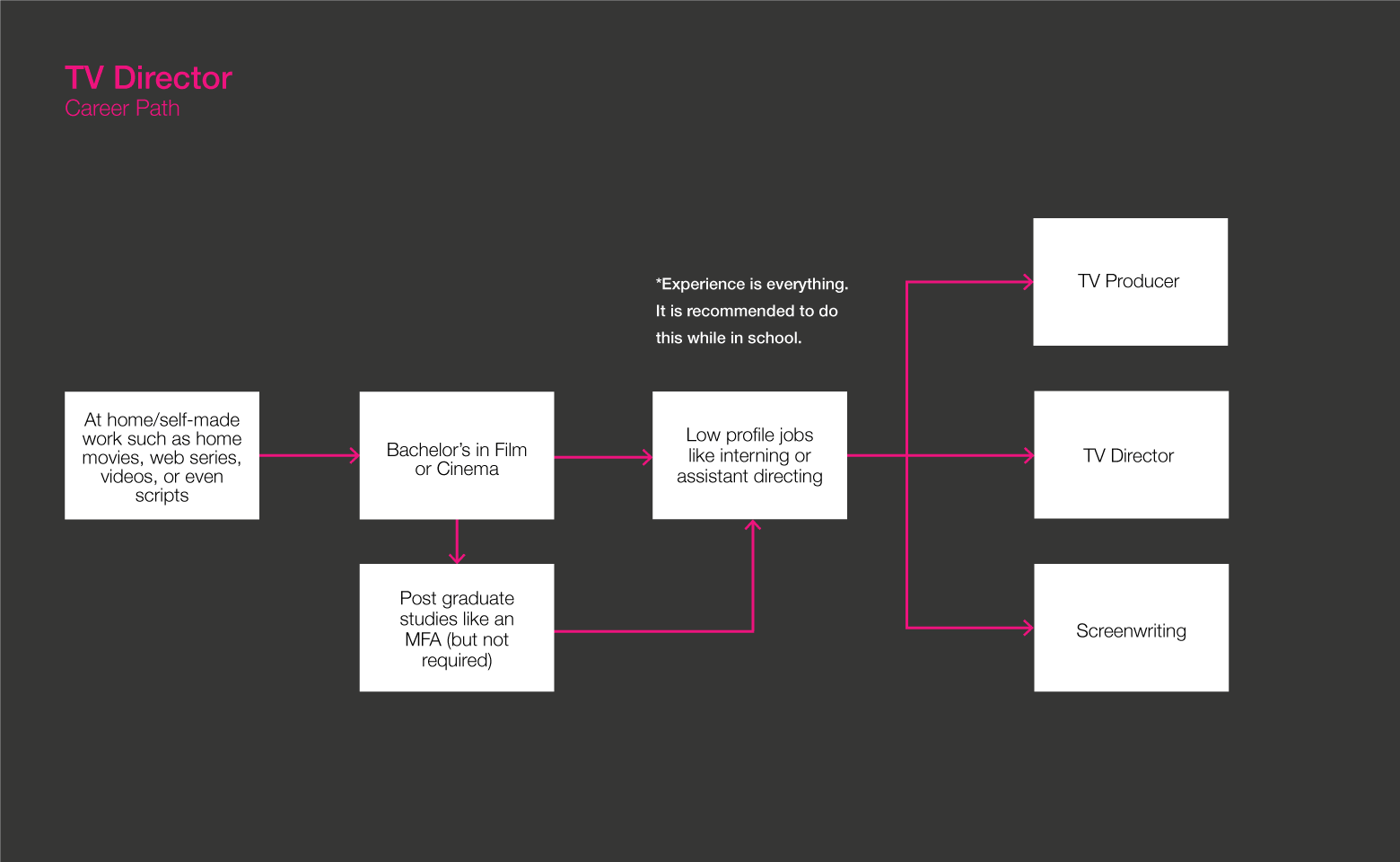
- Most directors need a bachelor’s degree in film, cinema studies, or a similar field. Many complete master’s degrees, too
- Independent directors of small films have no formal educational requirements, but many also hold college degrees or attended formal training
- Film schools such as New York Film Academy offer short programs as well as full degree programs (see our list of Resources > Film Schools)
- Additional ad hoc certifications such as the New School’s Documentary Media Studies Certificate can bolster your credentials
- Directing requires a slew of people and project management skills, so consider taking courses in communications, leadership, team building, conflict resolution, and project management
- Most film studio directors have years of experience working on sets in assistant director or other roles. Many get their start through studio internships
- The Directors Guild of America offers a highly competitive Assistant Director trainee program
- Directors may also need training on various health and safety issues, as well as state, local, federal, international, and studio policies regarding filming and human resources
- Stock up on courses in art, English, communication, speaking, psychology, design, and photography
- Volunteer for school activities where you can learn how to work effectively as a team, practice leadership skills, and manage large projects
- Consider signing up for confidence and resiliency courses, so you’ll be able to direct teams and actors even under stressful circumstances
- Sumali sa mga audiovisual club para sa praktikal na karanasan
- Participate in school and local theater productions
- Simulan ang paggawa ng iyong mga maiikling pelikula para sa YouTube o Vimeo. Maghanap ng mga kaibigan at miyembro ng komunidad na gustong sumali sa iyong mga proyekto!
- Borrow or rent video cameras, sound gear, and lighting equipment to get practice
- Become familiar with video editing techniques and software, plus special effects software
- I-advertise ang iyong mga freelance na serbisyo sa paggawa ng pelikula sa lokal na lugar o online
- Maglunsad ng online portfolio upang ipakita ang iyong mga kasanayan at trabaho
- Mag-apply para sa mga internship sa pelikula hanggang sa makakuha ka ng isa!
- Mag-aral ng mga libro, artikulo, at mga video tutorial (tingnan ang aming listahan ng mga Resources > Mga Website )
- Don’t just learn about directing. Get to know the ins and outs of every major department involved in filming TV shows, ads, documentaries, etc.
- Dumalo sa mga film festival at mga bukas na kaganapan sa paaralan ng pelikula
- Check out Keanu Reeves’ documentary Side by Side, featuring interviews with some of the biggest directors in Hollywood
- Submit your film to a film festival.
- Sumali sa mga propesyonal na organisasyon upang matuto tungkol sa mga uso at palaguin ang iyong network
- Lumipat sa lugar kung saan pinakamaraming trabaho sa pelikula at TV! Ayon sa BLS, ang mga estado na may pinakamataas na trabaho para sa mga trabahong ito ay ang California, New York, Texas, Florida, at Georgia.
- Work with actors and Direct plays
- Chances are you’ll have to apply for entry-level jobs and work your way up to Assistant Director roles
- Many Directors start as production assistants or interns. Even these are coveted positions, so contact your state film commission learn about to upcoming opportunities
- Ipaalam sa iyong network na naghahanap ka ng trabaho o internship! Ayon sa CNBC , “Ipinapakita ng pananaliksik na 70% ng lahat ng trabaho ay hindi inilalathala sa publiko sa mga job site at hanggang 80% ng mga trabaho ay napupunan sa pamamagitan ng personal at propesyonal na mga koneksyon”
- Build your reputation and ensure your work is seen! Enter film festivals, promote your work on social media, and get published in industry journals or on popular websites
- Check out film job sites and forums as well as job portals such as Indeed, Simply Hired, and Glassdoor
Ask your professors, supervisors, and peers if they’ll serve as personal references - Once you have a reel, apply to television director development programs
- Join the DGA union when you’re eligible and can afford the steep initiation fee
- Hop on Quora and start asking job advice questions and requesting answers from working directors
- Makipag-usap sa career center ng iyong paaralan ng pelikula o kolehiyo para sa tulong sa mga resume, mga mock interview, at paghahanap ng trabaho.
Mga Website
- Aksyon-Paggupit-Pag-print
- Adorama
- Sining ng Gilotina
- Asosasyon ng mga Komisyoner ng Pelikula Pandaigdig
- Awardee
- AWN
- B&H Photo, Video, and Pro Audio
- Mga Network ng Casting
- CheesyCam
- Cinephilia at Higit Pa
- Koridor Digital
- D4Darious
- Mga Pelikulang Detonasyon
- Direktor ng Amerika
- Tapos na ang Deal Professional
- Drop.io
- Mga Tagalikha ng DV
- DVXuser
- IQ ng Gumagawa ng Pelikula
- Magasin ng Gumagawa ng Pelikula
- Alyansa ng mga Gumagawa ng Pelikula
- Kaguluhan sa Pelikula
- Mga Tinanggihan ng Paaralan ng Pelikula
- Paghahanap ng Pelikula
- Gabay sa FX
- Pumasok sa Kwento
- Sining at Kultura ng Google
- Greenlight Aking Pelikula
- Hollywood OmniBook
- IMDb
- Pagsisiksikan sa Pelikulang Indie
- IndieTalk
- IndieWire
- TintaTip
- Magasin ng International Cinematographers Guild
- John August
- Paggawa ng
- Maltin sa Mga Pelikula
- Mandy.com
- Magasin ng MovieMaker
- Pambansang Asosasyon ng mga Paaralan ng Teatro
- Pambansang Kalooban para sa Sining
- Noam Kroll
- Walang Paaralan ng Pelikula
- Philip Bloom
- Magasin ng Post
- ProductionHUB
- Koalisyon ng ProVideo
- REDUser
- SAGindie
- Magasin ng Iskrip
- Shanks FX
- Pamamaril sa mga Tao
- Idagdag ang mga tauhan ko
- Yugto 32
- Mga Mag-aaral na Gumagawa ng Pelikula
- Studio Araw-araw
- Ang Amerikanong Samahan ng mga Sinematograpo
- Ang Kolaborasyon ng Pelikula
- Ang Gotham
- Ang Booth ng Produksyon
- Twitch
- VFX Soldier
- Video Copilot
- Videomaker
- Videvo
- Vincent Laforet
- Samahan ng mga Epektong Biswal
- WIRED - Disenyo FX
- ZapSplat
Mga Libro
- Directing Great Television: Inside TV’s New Golden Age, by Dan Attias
- Directors Tell the Story: Master the Craft of Television and Film Directing, by Bethany Rooney and Mary Lou Belli
- Studio Television Production and Directing: Concepts, Equipment, and Procedures, by Andrew Utterback
- The Art and Craft of TV Directing: Conversations with Episodic Television Directors, by Jim Hemphill
- Build trust by delivering episodes on time, on budget
- Capture the producers’ imaginations and make them want more work from you
- Continue to hone your craft while also learning more about everyone else’s roles
- Treat everyone with respect, always be well-prepared for the day’s shoots, and stay calm and in control
- Build your reputation as a director that actors and crew love to work with
- Direct as many things as you can to expand your portfolio of work
- Knock out additional education and training that can improve your technical and creative skills
- Watch and learn from more senior directors
- Listen to assistant directors, department leads, and crew members
- Patuloy na palaguin ang iyong propesyonal na network at harapin ang mas malalaki at mas ambisyosong mga proyekto
- Maging handa para sa mga film festival, lokal na kaganapan, kumperensya, at workshop
- Join professional organizations like the Directors Guild of America
- Try to win award and other recognitions that’ll look great on your resume
”Directors direct! If you have an iPhone and a computer, you have the first tools you need to make a short film.....” Mary Lou Belli, TV Director
The job of a Television Director isn’t nearly as glamorous as some people think. It’s can be grueling work (when you actually have any work), with long hours and non-stop duties. Energetic people with the right combination of leadership ability, technical know-how, and storytelling skills can make big names for themselves in this industry. However, it’s not for everyone and that’s understandable. The Bureau of Labor Statistics lists the following related occupations to think about!
- Actors
- Mga Direktor ng Sining
- Choreographers
- Film and Video Editors and Camera Operators
- Mga Artista at Animator ng Special Effects
- Top Executives
- Writers and Authors
Balita

Mga Itinatampok na Trabaho
Mga Online na Kurso at Kagamitan
Mga Inaasahang Taunang Sweldo
Ang mga bagong manggagawa ay nagsisimula sa humigit-kumulang $62K. Ang median na suweldo ay $86K bawat taon. Ang mga manggagawang may mataas na karanasan ay maaaring kumita ng humigit-kumulang $124K.
Mga Inaasahang Taunang Sweldo
Ang mga bagong manggagawa ay nagsisimula sa humigit-kumulang $97K. Ang median na suweldo ay $137K bawat taon. Ang mga manggagawang may mataas na karanasan ay maaaring kumita ng humigit-kumulang $181K.
Mga Inaasahang Taunang Sweldo
Ang mga bagong manggagawa ay nagsisimula sa humigit-kumulang $73K. Ang median na suweldo ay $94K bawat taon. Ang mga manggagawang may mataas na karanasan ay maaaring kumita ng humigit-kumulang $131K.
Mga Inaasahang Taunang Sweldo
Ang mga bagong manggagawa ay nagsisimula sa humigit-kumulang $56K. Ang median na suweldo ay $73K bawat taon. Ang mga manggagawang may mataas na karanasan ay maaaring kumita ng humigit-kumulang $109K.
Mga Inaasahang Taunang Sweldo
Ang mga bagong manggagawa ay nagsisimula sa humigit-kumulang $55K. Ang median na suweldo ay $78K bawat taon. Ang mga manggagawang may mataas na karanasan ay maaaring kumita ng humigit-kumulang $105K.