





Mga Spotlight
Early Childhood Intervention Specialist, Developmental Intervention Specialist, Infant and Toddler Specialist, Child Development Specialist, Early Childhood Special Educator, Family Support Specialist, Developmental Therapist, Early Intervention Coordinator, Pediatric Development Specialist, Child and Family Services Specialist, Early Learning Specialist, Family Resource Coordinator
An Early Intervention Specialist works with infants and young children who have developmental delays, disabilities, or are at risk of developmental challenges. Their goal is to help children build important skills related to communication, movement, learning, social interaction, and daily living during the earliest years of life, when development happens most rapidly.
Early Intervention Specialists assess a child’s developmental needs and create individualized plans to support growth and learning. They work closely with families, caregivers, teachers, therapists, and healthcare professionals to provide services in homes, schools, childcare centers, and community settings. In addition to working directly with children, they teach parents and caregivers strategies that can support a child's development throughout everyday routines and activities.
This career combines knowledge of child development, education, psychology, and family support to give children the best possible start in life and help them reach their full potential.
- Helping children achieve important developmental milestones.
- Supporting families during critical stages of a child’s growth.
- Making a lasting positive impact on a child’s future success.
- Working in a collaborative environment with educators, therapists, and healthcare professionals.
- Seeing measurable progress in children's communication, learning, and social skills.
- Playing an important role in promoting inclusion and equal opportunities for young children.
- Strong demand for professionals who specialize in early childhood development and intervention.
Iskedyul ng Paggawa
Early Intervention Specialists typically work full-time schedules, although part-time positions are also available in some educational, healthcare, and community settings. Most work during regular daytime hours, but occasional evenings may be required to accommodate family meetings or caregiver training sessions. Travel is often necessary to visit homes, childcare centers, preschools, schools, and community programs where services are delivered.
Karaniwang mga Tungkulin
- Conduct developmental screenings and assessments for infants and young children
- Identify developmental delays, disabilities, or risk factors affecting a child's growth and learning
- Develop individualized early intervention plans tailored to each child's needs
- Provide direct intervention services to support communication, motor, cognitive, social-emotional, and adaptive skill development
- Work one-on-one with children through play-based and developmentally appropriate activities
- Teach parents and caregivers strategies to support learning and development at home
- Monitor and document children's progress toward developmental goals
- Collaborate with speech-language pathologists, occupational therapists, physical therapists, teachers, and healthcare providers
- Help families access community resources, support services, and educational programs
- Assist with transitions to preschool, kindergarten, or special education services when appropriate
- Maintain accurate records, assessment reports, and service documentation
- Participate in multidisciplinary team meetings and case reviews
- Advocate for children's developmental needs and family-centered services
Mga Karagdagang Responsibilidad
- Educate families about child development, developmental milestones, and early learning practices
- Provide guidance on creating supportive home and learning environments
- Support children with disabilities or developmental challenges in inclusive educational settings
- Stay current on best practices in early childhood development, intervention techniques, and special education
- Participate in professional development workshops, certifications, and continuing education programs
- Assist with community outreach efforts that promote early identification and intervention services
- Help develop and improve early childhood programs and family support initiatives
- Collaborate with community agencies to ensure coordinated services for children and families
- Support prevention and early detection programs designed to address developmental concerns as early as possible
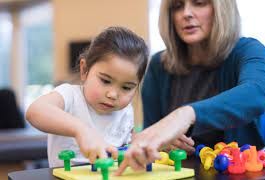
Imagine starting your day by meeting a curious toddler who is learning to say new words or take their first confident steps. As an Early Intervention Specialist, you spend time playing games, reading books, singing songs, and using fun activities that help young children develop important skills. You might visit a family's home, a childcare center, or a preschool, working closely with both the child and their caregivers.
Throughout the day, you celebrate small but meaningful victories—a child pointing to an object for the first time, following directions more easily, or interacting with other children. Between visits, you meet with parents, teachers, and therapists to discuss progress and plan the next steps. Every day is different, but each one is focused on helping children overcome challenges, reach milestones, and build a strong foundation for the future!
Mga Malambot na Kasanayan
- Aktibong pakikinig
- Empatiya
- Pasensya
- Malakas na kasanayan sa komunikasyon
- Kamalayan sa kultura
- Kakayahang umangkop
- Paglutas ng problema
- Pansin sa detalye
- Emotional control
- Ability to stay calm under pressure
- Pagtutulungan
- Kakayahang umangkop
- Integridad
- Organisasyon
- Strong observational skills
Mga Kasanayang Teknikal
- Developmental screening and observation
- Knowledge of early childhood development
- Behavior and skill assessment
- Creating individualized intervention plans
- Play-based learning strategies
- Writing case notes and progress reports
- Basic counseling and coaching skills for families
- Crisis response and emotional support techniques
- Record-keeping and documentation systems
- Data tracking and progress monitoring
- Coordination with therapists, educators, and healthcare providers
- Referral management to support services
- Basic program evaluation and outcome tracking
- Use of early intervention tools and assessment materials
- Infant and Toddler Early Intervention Specialist : Focuses on supporting babies and toddlers (0–3 years old) who show developmental delays in areas like speech, movement, and social skills.
- Early Childhood Development Specialist: Works with preschool-aged children to improve cognitive, language, social, and emotional development through structured and play-based learning.
- Behavioral Early Intervention Specialist: Helps children with behavioral challenges by teaching positive behavior strategies, emotional regulation, and social skills.
- Speech and Language Intervention Specialist: Supports children with communication delays, helping them develop speech, language understanding, and early literacy skills.
- Autism Early Intervention Specialist: Works specifically with children on the autism spectrum to improve communication, social interaction, and daily living skills using specialized interventions.
- Family Support Early Intervention Specialist: Focuses on guiding parents and caregivers by teaching strategies to support a child’s development at home and strengthening family involvement.
- Infant and toddler early intervention programs
- Early childhood education centers and preschools
- Public and private schools with special education services
- Hospitals and pediatric healthcare facilities
- Community health and social service agencies
- Government child development and welfare programs
- Nonprofit organizations focused on child development and family support
- Autism and developmental disorder intervention centers
- Speech, occupational, and physical therapy clinics
- Early learning and inclusive education programs
- Home-based early intervention services
- Child guidance and family counseling centers
Becoming an Early Intervention Specialist usually begins with years of preparation in college, often in fields like early childhood education, psychology, or special education. Along the way, students are expected to gain real-world experience through internships and hands-on training, where they slowly learn how to observe young children, understand developmental milestones, and support families with care and sensitivity. Once in the field, specialists often move between homes, schools, and community centers, adapting to different environments and the unique needs of each child they meet.
The work can be emotionally and physically demanding, especially when supporting families who are worried about their child’s development or facing uncertainty about the future. Early Intervention Specialists must stay patient, calm, and encouraging even during difficult moments, while also managing detailed documentation and planning for each child’s progress. Despite these challenges, many find the role deeply rewarding, as they witness small but powerful milestones—first words, first steps, and growing confidence—that make the sacrifices feel meaningful and worthwhile!
- Growing emphasis on family-centered early intervention, where parents and caregivers are active partners in a child’s development process
- Increased use of play-based and natural environment learning instead of structured clinical settings
- Expansion of home-based and community-based intervention services for more accessible support
- Greater focus on early detection of developmental delays through routine screenings and assessments
- Rising demand for services for autism spectrum disorder and other developmental conditions
- Integration of technology such as developmental apps, teletherapy, and virtual coaching for families
- Stronger collaboration between specialists, schools, healthcare providers, and social workers for coordinated care
- Increased use of data tracking tools to monitor developmental progress more accurately over time
- More emphasis on inclusive education, helping children
transition into mainstream classrooms when possible - Growing awareness of mental health and emotional development in early childhood intervention practices
- Playing pretend games where they acted as teachers, doctors, or caregivers for dolls or younger siblings
- Enjoying activities that involved helping others, such as caring for pets, assisting classmates, or looking after family members
- Spending time with younger children and naturally taking on a “helper” or guiding role in group play
- Reading storybooks and imagining ways to teach or comfort characters who were struggling
- Engaging in creative play like arts, crafts, and storytelling to express ideas and emotions
- Volunteering in school or community activities, even in small roles, just to be involved in helping
- Observing how people behave and showing curiosity about why children or others act in certain ways
- Enjoying structured games that involved teaching, coaching, or guiding others through steps or rules
- Practicing patience and responsibility, often being trusted with tasks like babysitting or group leadership
- Feeling satisfaction from making others feel happy, understood, or included during play and activities
- Early Intervention Specialist positions typically require a bachelor’s degree in early childhood education, special education, psychology, speech-language pathology, child development, or a related field
- Some employers prefer or require a master’s degree, especially for advanced intervention, developmental therapy, or specialized early childhood services
- Many professionals begin in entry-level roles such as teacher assistant, behavioral aide, early childhood aide, or family support assistant before advancing into specialist positions
- Internships, practicum experiences, and volunteer work in preschools, clinics, or community child development programs are excellent ways to gain hands-on experience
- Education and training requirements often depend on the setting and population being served
- For example, school-based positions may require knowledge of early learning standards, inclusive education, or special education services
- Home-based intervention programs may require training in family-centered practices, developmental screening, and caregiver coaching
- Employers often provide On-the-Job training related to assessment tools, documentation procedures, and intervention planning strategies
- Certification or licensure may be required in some regions or agencies, especially for specialized developmental or educational intervention roles
- Ongoing professional development is important to stay updated on early childhood development research, intervention methods, and inclusive practices
- Volunteer in schools, daycare centers, or community programs that support young children and families
- Take psychology, education, health science, or child development classes whenever possible
- Join clubs or activities that involve leadership, mentoring, or peer support
- Read articles, journals, and websites related to early childhood development and special education
- Learn about child development milestones and how children grow in communication, motor, and social skills
- Gain experience through internships, shadowing, or assistant roles in preschools or therapy centers
- Observe how teachers, therapists, and caregivers support children with different learning needs
- Practice patience, communication, and empathy through volunteer or group activities
- Participate in workshops or training related to special education or developmental support
- Explore professional organizations in early childhood development and stay updated on research and best practices
- Subjects that cover early childhood growth, developmental psychology, special needs education, and learning differences
- Instruction on intervention methods, child assessment techniques, and play-based developmental activities
- Strong emphasis on working with families and teaching caregivers how to support a child’s progress
- Supervised practicum or field experiences with infants, toddlers, or young children in real settings
- Internship placements in early learning centers, therapy clinics, hospitals, or community support programs
- Opportunities to study real-life situations involving developmental delays and behavior concerns
- Faculty members who have experience in early childhood services, special education, or developmental support work
- Training in observing children, identifying milestones, and tracking developmental progress
- Access to tools used for screening, evaluation, and planning individualized support programs
- Focus on building communication, teamwork, empathy, and professional collaboration skills
- Chances to connect with professionals in education, therapy, and child development fields
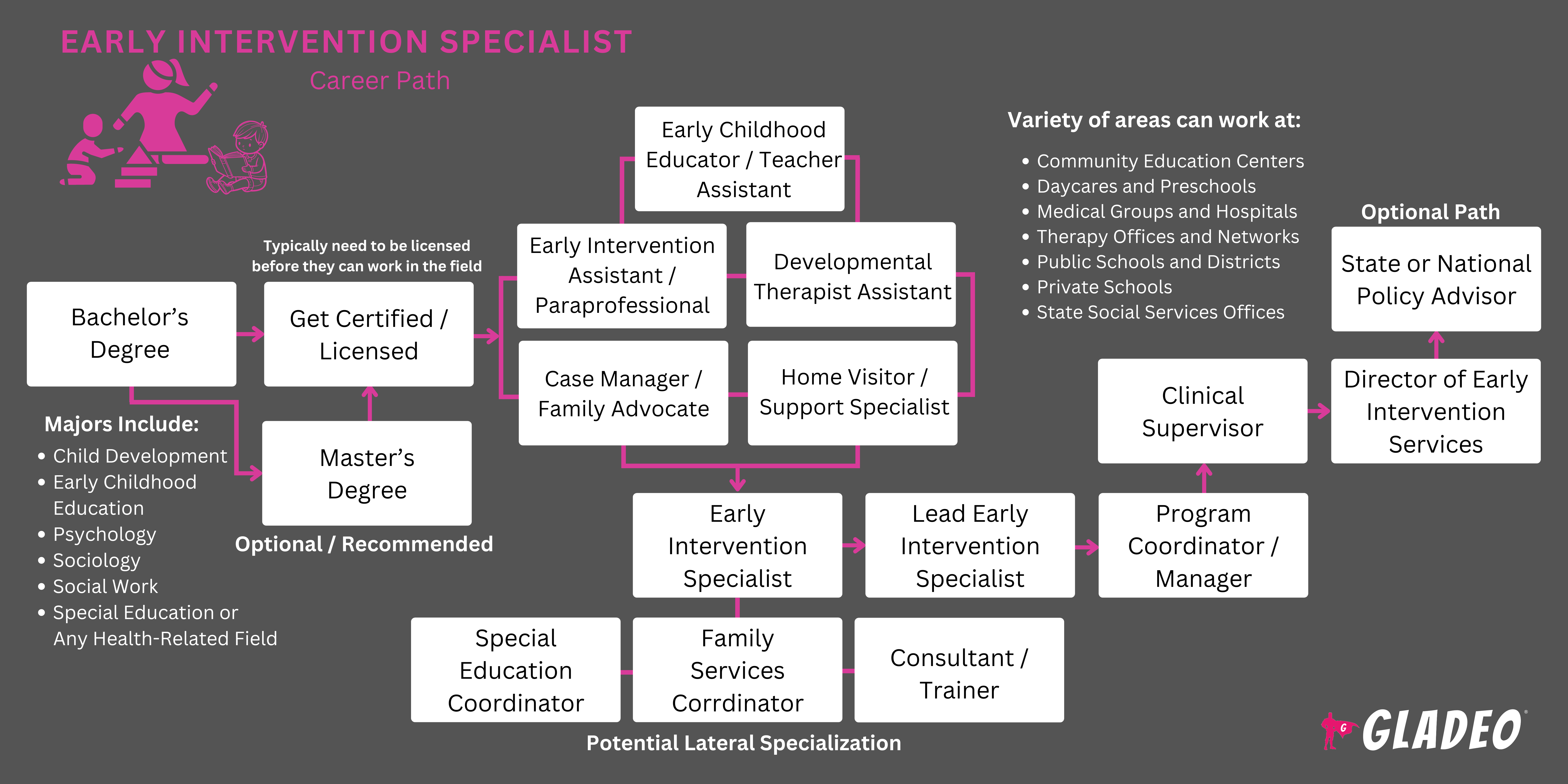
- Apply for entry-level roles such as early intervention assistant, preschool aide, behavioral support assistant, or family support aide
- Build a strong resume that highlights experience with children, internships, volunteering, and any fieldwork in early childhood settings
- Gain hands-on experience through internships, practicum placements, or assistant roles in schools, clinics, or community programs
- Develop skills in child observation, developmental screening, and play-based learning strategies
- Learn how to document progress notes, write simple reports, and track developmental milestones
- Network with teachers, therapists, child development specialists, and supervisors from your training or internship experiences
- Attend workshops, seminars, and early childhood training events to learn current practices and make professional connections
- Highlight soft skills such as patience, empathy, communication, and teamwork in your resume and interviews
- Practice explaining how you would support a child’s learning, behavior, and developmental growth in real situations
- Be flexible and open to different settings such as home-based programs, preschools, or early learning centers
- Volunteer in childcare centers, tutoring programs, or community organizations to build experience and confidence
- Stay updated on early childhood development trends, inclusive education practices, and intervention strategies
- Search for job openings through school districts, healthcare centers, government programs, and nonprofit organizations
- Prepare for interviews by reviewing common questions about child development, teamwork, and family collaboration
- Tell your supervisors about your interest in career growth and ask about advanced roles in early intervention or specialized child development services
- Pursue higher education such as a master’s degree in early childhood education, special education, psychology, or developmental therapy
- Earn additional certifications in areas like developmental screening, autism intervention, family support coaching, or early childhood mental health
- Gain deeper expertise in creating and adjusting individualized intervention plans based on a child’s progress
- Take initiative in leading small group activities, parent coaching sessions, or early learning programs when given the opportunity
- Build strong relationships with families, children, educators, and multidisciplinary team members through consistent communication and trust
- Develop the ability to recognize developmental patterns and recommend effective, evidence-based strategies
- Stay updated on research in early childhood development, inclusive education, and intervention best practices
- Seek mentorship from experienced specialists and actively learn from feedback in real-world practice
- Participate in leadership opportunities within programs or community-based early childhood initiatives
Mga Website
- Zero to Three
- Early Childhood Technical Assistance Center (ECTA)
- Centers for Disease Control and Prevention (CDC) – Child Development
- National Association for the Education of Young Children (NAEYC)
- U.S. Department of Education – Early Childhood
- Head Start Program (Office of Head Start)
- Child Mind Institute
- American Academy of Pediatrics (AAP) – Developmental Milestones
- National Institute on Deafness and Other Communication Disorders (NIDCD)
- Autism Speaks
- Early Childhood Intervention (ECI) Programs (state/local agencies)
- World Health Organization (WHO) – Child Health and Development
Mga Libro
- Early Intervention for Infants and Toddlers with Disabilities and Their Families by Stephen J. Bagnato & others
- Developmental Profiles: Pre-Birth Through Twelve by Carol B. Stephens
- The Early Intervention Teaming Handbook by Carl J. Dunst & Deborah W. Bruder
- An Introduction to Early Childhood Special Education by Richard Gargiulo
- Infants and Toddlers at Risk by various developmental specialists
If being an Early Intervention Specialist isn’t the right fit, related careers include:
- Child Development Specialist
- Preschool Teacher
- Guro sa Espesyal na Edukasyon
- Behavioral Support Assistant
- Speech-Language Pathology Assistant
- Katulong sa Occupational Therapy
- Espesyalista sa Buhay ng Bata
- Manggagawa ng Suporta sa Pamilya
- School Counselor (Early Childhood Focus)
- Developmental Therapist
Balita

Mga Itinatampok na Trabaho
Mga Online na Kurso at Kagamitan
Mga Inaasahang Taunang Sweldo
New workers start around $65K. Median pay is $87K per year. Highly experienced workers can earn around $109K.